From September 26-27, dozens of academics from across the globe met for the second Warhammer conference, delivering dozens of presentations and discussion sessions examining the imaginary worlds of Warhammer and Warhammer 40,000 from every perspective imaginable. With three simultaneous presentation tracks over two days, there was literally more to see than any one person could watch live – but now the whole thing is free to watch on YouTube, and it’s time to play catch up!
As a self-confessed Warhammer 40,000 overthinker, this is genuinely risky for me. I’m doing this job partly because I know an unhealthy amount of lore for Warhammer 40k factions, partly because I willingly dedicate most of my spare time to learning more about it. 18 hours of in-depth Warhammer analysis is like a pit trap in a cartoon. I’m going to fall in and it’s going to take me a long time to get out.
The Warhammer conference is extremely open access, and you could make a ‘Warhammer conference iceberg’ sorting the topics from the most easy to access to the most academic and obscure.
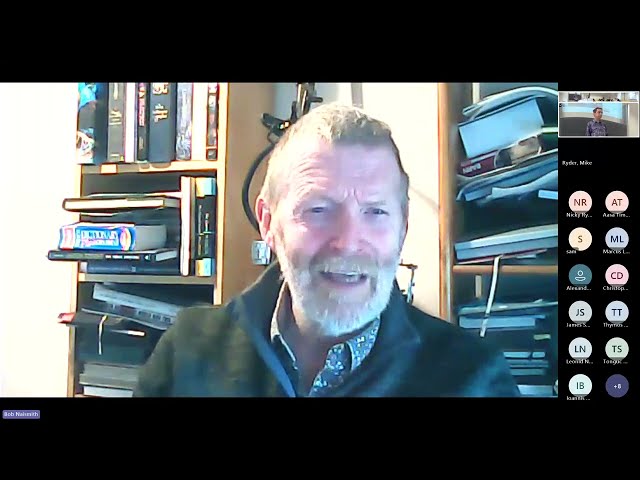
At the tippy top, you’ve got the opening keynote, an interview with Bob Naismith. Naismith was one of the early Warhammer sculptors and his ‘Imperial Space Marine – LE2’ figure is credited as the first recognisable Space Marine figure. He has invaluable insight into the very early development of Warhammer 40k.
Closer to the waterline are a selection of talks that examine how and why Warhammer 40k has developed the way it has done. Moritz Schmid and Dennis Weigt’s talk ‘The More Things Change, The More They Stay The Same’ looks at how 40k’s plot manages to sustain its status quo; ‘Narrative State Transitions and the Commercial Context of Warhammer 40k’ by James L. Shelton looks at how business realities impinge on 40k’s metaplot; something that resonates with Jordan Sorcery’s talk ‘The Diminishing Role of Gothic Horror in Warhammer 40k’.
Under the water, we’ve got experts from one domain applying their expertise to Warhammer and Warhammer 40k; stuff like ‘Warhammer’s Plague Narratives from the Perspective of an Epidemiologist’ by Eric Lofgren; ‘Skulls, Gothic Futures, and the Weight of Iron: Visual Aesthetics and Design in Warhammer 40,000′ by international design lecturer Glynn Stockton; or ‘The Legacy of European Colonization in the Warhammer Fantasy Setting’ by historian Matthew D. Harris.
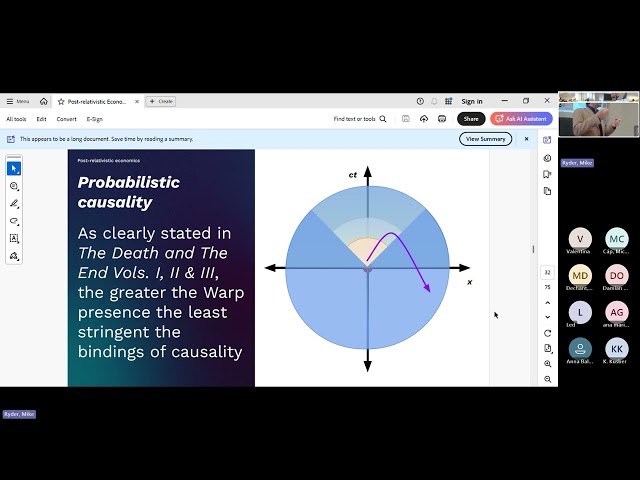
Down in the depths are the talks that reference theories and figures you’re not likely to have encountered unless you’re an academic: ‘Post-relativistic Economics’ by Simone Chiesi; ‘Masse und Macht und Waaagh: Orks through Canetti’s Crowds and Power’ by ethics professor Richard Slaughter; ‘Al-Farabi’s Attainment of Happiness and the God-Emperor of Mankind’ by Timothy Polelle.
This is only scratching the surface of the talks, and I can’t recommend checking out the full Warhammer conference YouTube channel highly enough, whether you went to college or university or not, and whether you’re deep into Warhammer lore or merely curious. Learning something random and new is one of the most enriching things you can do.
If you want someone to talk about these presentations with – or any other deep thoughts you’ve had about Warhammer – you’ll be most welcome in the Wargamer Discord community!