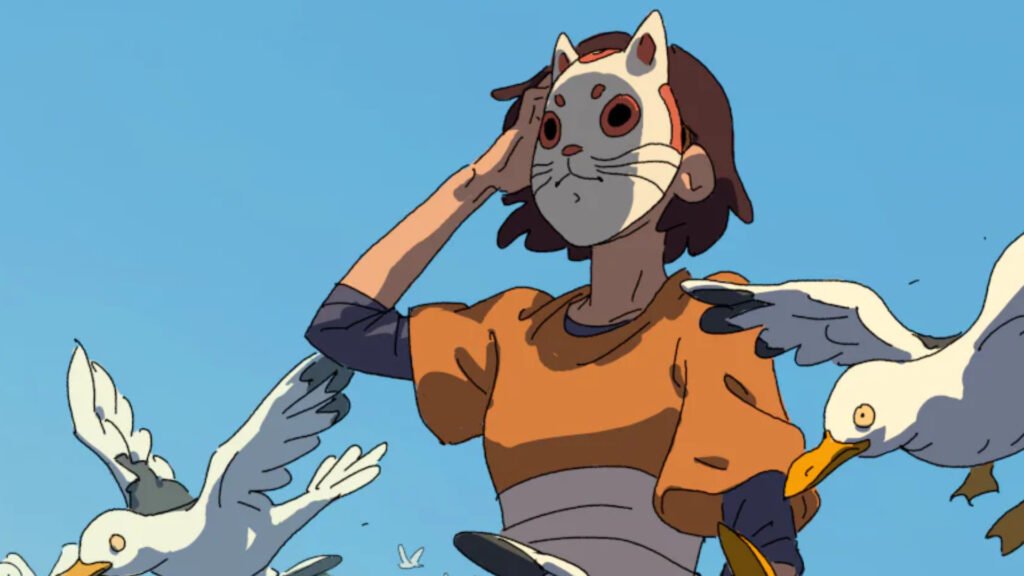
Dungeons and Dragons, despite its popularity, remains a controversial system for hardcore players. Many vets of the tabletop scene know the struggle of finding a table to play their cool indie TTRPG with. D&D books such as Obojima, inspired by Studio Ghibli and Legend of Zelda, tried to bring new flavor to a well-trod system. Unfortunately, some choice comments from Obojima’s creative team cemented my personal stance that D&D and Ghibli don’t mix.
On Episode 85 of the Obojima Podcast, lead writers Adam Lee and Ari Levitch, alongside creative director Jeremiah Crofton, discuss monster societies in their setting. In particular, they focus on Howlers, a race of gnoll-like creatures, treated in-universe as monstrous barbarians. Howlers mostly raid and pillage, lacking the diplomacy of more traditional D&D races in the setting. In one conversation, the team shared why the Howlers existed as combat fodder and attempted to justify the lack of characterization.
https://www.youtube.com/watch?v=Sxd-p2Gaj5E
It ultimately boiled down to the creators prioritizing fun combat over a deeper narrative. Several comments, particularly from Ghibli fans, pointed out how badly a “combat-first” approach fit the whimsical setting.

While I’m no Obojima fan, I am most definitely a Hayao Miyazaki fan. In the pursuit of fairness, I read my friend’s copy of the Obojima sourcebook, and listened to the full podcast episode regarding monster societies. To their credit, they did give fans advice on how to play a Howler PC as one of the good guys. Still, they continuously point out that Howlers are basically fodder for players to kill.
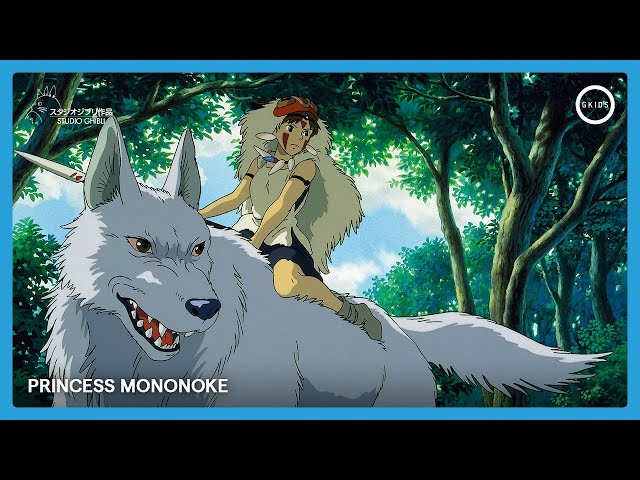
Before anything else, I want to say it’s totally valid to have a game of slaying ontologically evil monsters as a cool heroic character. Feeling guilt for killing demons in DOOM is about as silly as Doomguy taking anger management classes. But when it comes to fun-filled violence, the last place one should be looking at is Studio Ghibli. Even in its most violent film, Princess Mononoke, violence is never seen as “fun.”
The central conflict of Princess Mononoke lies in a human town failing to empathize with nature, as they see its denizens as “lesser” than they are. Trees are merely lumber, animals are merely meat, and spirits are just stories. It’s only when San, a champion of the forest, and Ashitaka, a representative of humans, work together that the conflict finally ends. San and Ashitaka never “have a good time killing” because violence is not something they desire, but a necessary act to protect the ones they love.
Every kill in Princess Mononoke is treated with real weight. Every drop of blood spilled is a failure of mankind to connect with nature itself. So when Obojima’s creative team, who directly cite Ghibli films as inspiration, believes that “you’re done playing a fantasy game” when you have to deal with “the moral nature of our world and existential stuff”, it’s disheartening.
People want to play in Miyazaki’s worlds, but the aesthetic shouldn’t be where it stops. Left on its own, D&D 5th Edition is still the combat-focused TTRPG it’s always been. That’s fine, I love D&D battles. But in my opinion, hacking away, guilt free, at a horde of Howlers is not the kind of experience one should have in a Studio Ghibli-esque setting. It reads like the writers want to have their colorful Ghibli icing without baking the pesky cake of delving into Miyazaki’s philosophy.
The cinematic experience should come from beautiful worldbuilding, character-driven interactions, and a childlike whimsy that doesn’t revolve around murder. That means a very good narrative DM and an equally helpful sourcebook. If you start prioritizing the “fun of killing monsters,” you begin to lose what makes Miyazaki’s stories so impactful.
It’s a disservice to boil down all his work to a D&D reskin.
That’s not to say I think Obojima shouldn’t exist. A lot of hard work and talent went into its creation, and there’s a lot to like within its pages. I sincerely hope the creators take the criticisms to heart. When inspired by a work, one should take care not to forget why these works are so beloved in the first place.
If you have some thoughts about the article, why not share them over at the Wargamer Discord? For some D&D alternatives that may fit Ghibli better, check out the best tabletop RPGs guide.