At the end of January I dived into Steam Board Game Fest, emerging with a library packed with demos for recent and upcoming digital board games. That may have been a bad idea: I’ve found five extremely compelling roguelikes, and I don’t think my career or personal life will survive having five more Balatros in it.
All of these games have the classic roguelike rhythm, alternating between gameplay and grabbing upgrades, but that’s the only similarity between them. They’re scooping ideas from a varied selection of the best board games ever, retooled into new shapes.
Blunderworld
Roguelike Crokinole.
Inspired by the opulent dexterity game of sliding wooden pucks across a polished circular table, Blunderworld has you slinging your disc to bash glowing soul stones off the edges of the circles of hell. Upgrades might result in your puck shooting blasts of energy, ramping up a score multiplier every time you ricochet off the arena wall, or igniting soul stones for a trickle of points.
The physics-based puck slinging is loads of fun in a classic arcadey way. The atmosphere is good too – this isn’t a very serious rendition of hell, and the visuals and audio are restrained and a little abstract while still coherent. And the writing is unobtrusive and actually quite funny.
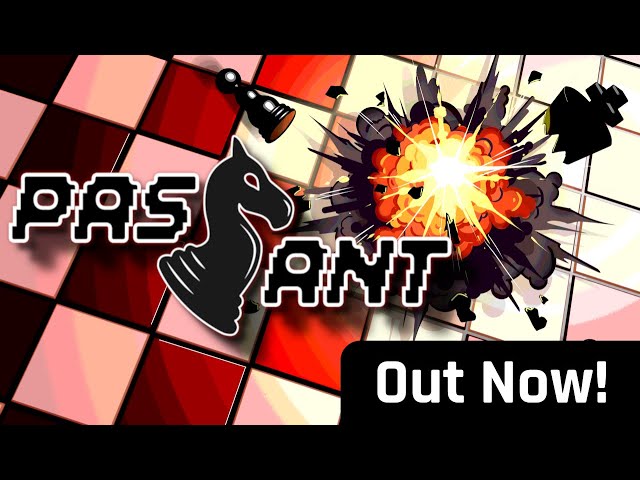
Passant
Roguelike Chess.
This is going to be a “hear me out”, both for chess purists and people who don’t like chess, but they’re both groups who should give Passant a shot. Passant uses the core rules of chess and then expands on them with new pieces. The first you’ll start with is the Courtesan, who moves like a king and prevents adjacent enemy pieces from moving. Then there are other weirdos like the Archer, which can take pieces on the diagonal without moving, or the Camel, which moves like a Knight only more so.
Your force starts as an understrength band of a King, a few pawns, and the courtesan. Winning matches will give you cash to buy extra pieces for your force, so you could end up rocking stacks of bishops, or buying lots of single-use powerups that turn a pawn into a queen for the match. My main takeaway from playing Passant is that I am terrible at chess – and the game itself seems like fun.
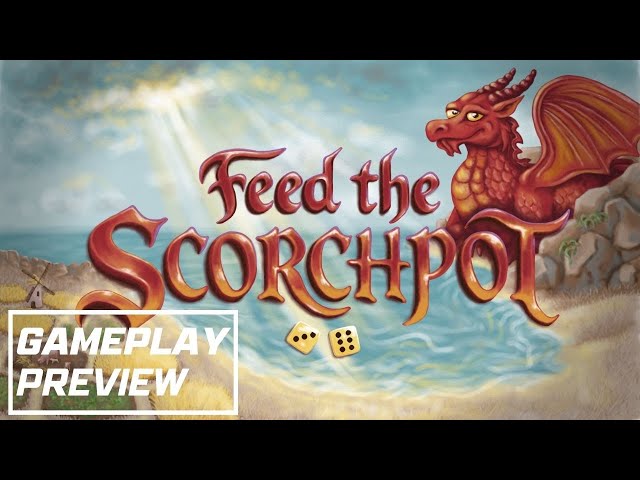
Feed the Scorch Pot
Roguelike Catan.
Just like Catan, Feed the Scorch pot tasks you with settling an island of convenient hexagonal farmland. Unlike Catan, there’s a massive dragon who insists that all your surplus produce is mashed up into a big pot for it to eat. This isn’t an overt metaphor about Capitalism, but it could be.
Also like Catan you’ll roll dice every turn to work out which areas of the map produce goods. Unlike Catan, you don’t use those resources to build buildings or roads – all your meat, milk, grain, fruit, fish, and spices go to feed the dragon. Buildings come out of a separate budget of gold which also has to pay for upgrades, better dice, and the recipes which are key to making meals that are good enough to satisfy the dragon.
So you’ve got a dice-driven slot machine generating resources, and then a somewhat more dependable roguelike budget for upgrading that slot machine. The actual value of the meal you feed to the dragon comes from the amount of food you’ve collected, multiplied by the flavor of the dish – the recipes you buy will give you big flavor multipliers, if you can get the right ingredients into the dish.
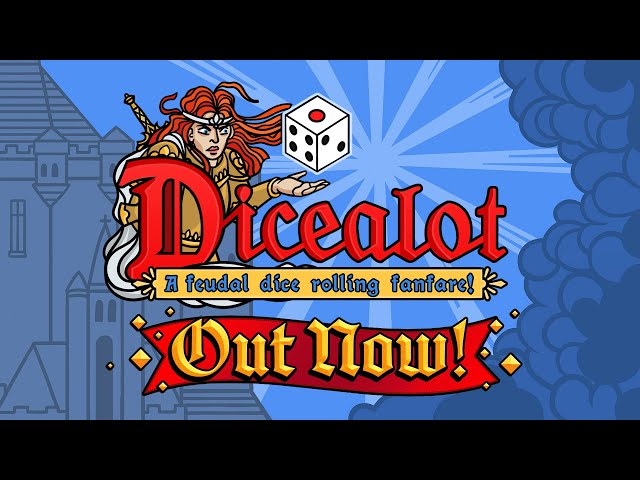
Dicealot
Roguelike Yahtzee.
Picture Balatro. Now, imagine that instead of upgrading a deck of Poker cards, you’re upgrading dice for a game of Yahtzee. Got that? Then You’ve got most of the idea for Dicealot.
You’re a knight on a quest, rolling and rerolling dice, looking for sets or straights that will turn into big hits on your opponent. Between fights you can spend gold to buy passive upgrades, unlock new scoring patterns, or buy weird new dice with different patterns of numbers on them. Roll dice, hit knights, make numbers bigger – classic stuff.
Zoominoes
Roguelike crack cocaine.
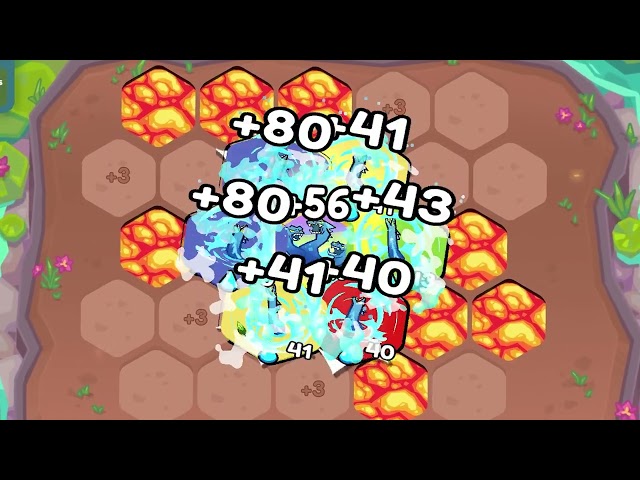
This is the most innocent-looking dopamine fountain I have seen in a long time. You have a deck of hexagon-shaped animal tiles, and a grid to place them on. Each animal is worth a certain number of points, and can only be placed next to an animal of the same type, color, or aspect (land, sky, or water). Score enough points before you run out of plays, and you’ll progress to the next level.
It’s quite innocuous at first. Animals might have special abilities, like being worth more points when placed in a corner, or increasing the points of everything else in your deck. You’ll start to buy more interesting animals – a low value moth that fills its row with identical friends, a crocodile that permanently removes everything adjacent to it from your deck – plus snacks that can buff them or permanently change their color or aspect type, and trinkets that provide run-long buffs.
Then, if you’re anything like me, a lot of time is going to disappear. There will be bright lights, and extremely large numbers, and the animals you’re playing to the board will be dragons and chimaeras and blue whales. If you’re very lucky, you’ll turn off the game before you start to neglect your job or children. This isn’t so much a “digital board game” as a controlled substance.
If you discovered something great in Steam Board Game Fest that we need to know about, let us know in the Wargamer Discord community! For a roundup of our best stories each week, make sure you sign up to the regular Wargamer newsletter.