It’s important from time to time to introduce new people into your hobby of playing Dungeons & Dragons — or whatever other TTRPG you play, really, because let’s face it, there are a lot of great ones out there. However, not everyone is invested right away. They might think it’s silly, or that it’s complicated, or that it will demand a lot of their time.
With that in mind, there are ways you can ease them into playing, whether it’s through things you do before there’s any game and you’re just trying to talk them into it, or things you can do in their first sessions to simplify the game for them.
Have You Watched The Legend Of Vox Machina?

Before you invite them to play, having some notion of the things they like is a given. These are your friends, so we’re assuming you know what they like. With these things in mind, do you think they’d enjoy D&D?
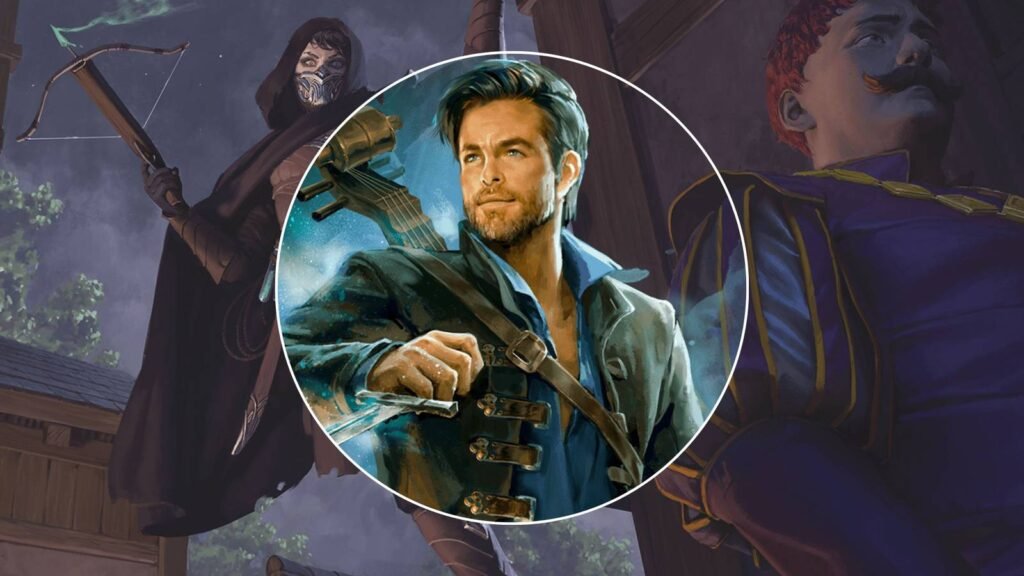
You can also recommend fantasy stories that have a similar style to the games you enjoy running, or you could recommend either The Legend Of Vox Machina or the D&D movie, as they both show a story that is relatable to people who play TTRPGs.
Short one-shot actual play campaigns are also a great gateway to getting people invested in D&D. Just make sure to choose your genre and cast well. Long sprawling campaigns and four-hour episodes can be overwhelming, even for D&D fans.
Share Stories From Your Games
I Actually Seduced A Dragon Once

You can also talk about your past games and see what they think of them. Not about the game and rules necessarily (unless they ask), but rather fun or epic moments from your games.
That will also show them what to expect, as well as give them some ideas of all the things that are possible in the games where you play or are the DM.
Explain The Experience Rather Than The Rules
You Can Do All Sorts Of Things

Going deeper into your stories, you can tell tales of what it’s like to be at the table and make whatever decisions you make. You can talk about the process and how you went from fighting an epic boss to turning them into a sheep and locking them in a prison under the sea, or whatever happens at your games.
Though you can talk to them about the mechanical side of things, you can still focus on the fact that TTRPGs’ greatest strength is the idea that you can do virtually anything, resulting in these chaotic conclusions to your stories.
Invite Them To One-Shots
No Commitment Here

One thing that might scare newcomers away is when they hear about these campaigns that last for literal years. These are fun, yes, we recommend them, yes, but not for new people. That’s too much pressure on the newbies.
Ideally, we recommend that you invite them to a one-shot. If they like it, you can create a follow-up one-shot or short adventure that continues with the same characters. Only after they’ve been playing for a while and enjoying it should you drop the idea of a longer campaign.
Make Their Character Sheets
Use Pre-Made Characters Or Ask What They Want To Play

When talking about their characters, you can just make some for your friends. Then, they can pick whichever one catches their attention the most. However, we think it’s more interesting if you get their feedback and make one based on it.
Let them create a character, write a short story, or basic premise, should they want to, and then you make a sheet that fits what they want. If they talk about making a holy avenger that purges evil, tell them about the mighty paladins, and make one if they like the idea, for instance.
Though the final decision is theirs, we recommend martial or half-casters for first characters, as they are simpler. If a spellcaster fits their idea more, though, let them have it.
Focus On Setting The Mood
Pizza Never Fails

A game is more than what’s happening at the table. Make sure that the atmosphere at your house (or wherever you are playing) is welcoming.
Have a hangout before the game where you can chill or even set some expectations, get some snacks, have some music prepared to fit whatever is going on during the game, and so on.
Theme The Game Around Their Interests
Make It About Them

We already mentioned how you should check on their interests to see if they’d be a good match for a TTRPG. You can go one step further and tailor the game itself around their preferences.
If they like horror, add some. If they enjoy some extremely high fantasy where the characters can do a lot of things, they make all the fights exaggerated when narrating them. See what they like and add it to the game.
Don’t Demand Roleplaying
Encourage It, Though

It’s also important not to put your new players in a corner and force them to roleplay their characters right away. Let them know they can do their roleplaying in third person, and they can even use their own personalities as a basis for their characters.
Still, feel free to respond to their roleplaying in the first person, using yourself as an example of how it works, and encourage them to do the same. We recommend a silly character with a funny voice, too, just to lighten the mood and release tension over the topic.
Focus On The Story Rather Than Mechanics
Let Things Flow

Just like focusing on the experience and narrative is an easier way to get most people invested in playing, it’s also a better focus during the game itself.
If rules get too complicated, feel free to simplify things, or to ensure that the first few battles will only focus on the main aspects of the game, without introducing a lot of action economy, multiple conditions, etc., to their first boss battle.
Let Them Experiment
They Need To Test The Waters

It’s funny to see new players at a game and try very unorthodox things most veterans wouldn’t try because it’s not an optimal decision. And honestly, let them try their thing.
Sure, there are limits to what they can do, but as mentioned before, the appeal of D&D is being able to do anything, so let them try whatever weird thoughts they have on their mind, and even if it doesn’t help them solve whatever problem they’re facing, have their idea at least cause something.
- Original Release Date
-
1974
- Player Count
-
2+
- Length per Game
-
From 60 minutes to hours on end.
- Age Recommendation
-
12+ (though younger can play and enjoy)
- Franchise Name
-
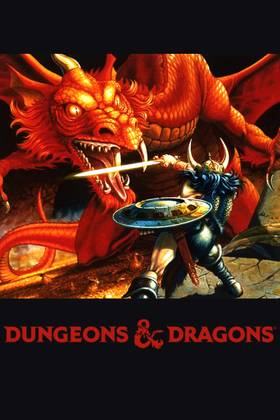
Dungeons & Dragons
- Publishing Co
-
Wizards of the Coast